
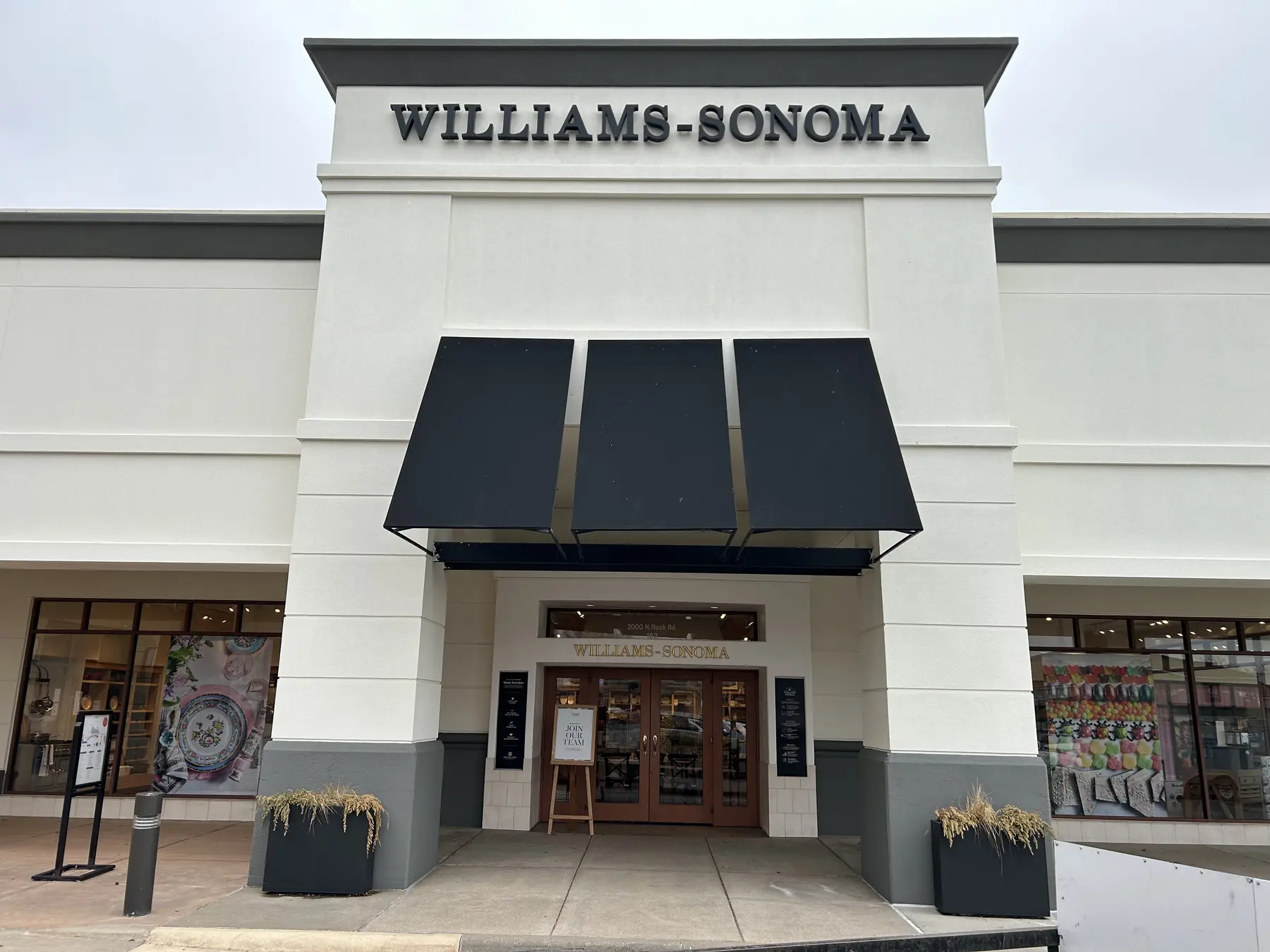
Accurate recommendations start with the actual vehicle, building, surface, quantity and deadline. Use this guide to prepare the right questions, then confirm the final specification for your project.
Fabric awnings
Fabric offers color, shape and graphic opportunities. It works well when shade and storefront identity need to work together. Frame style, covering, exposure and future recovering should be considered as one system.
Metal awnings and canopies
Metal creates a more architectural appearance and can fit entrances, windows and walkways. The design must account for attachment, drainage, finish and site conditions.
Retractable systems
Retractable shade is useful when the amount of coverage needs to change. Operation, wind use, mounting space and maintenance expectations should be discussed before selection.
Compare ownership—not only appearance
A fabric awning may offer more color and graphic flexibility, while a metal system can create a stronger architectural line. Retractable products add operational flexibility but also require clear wind-use and maintenance expectations.
Ask how the covering, frame, fasteners, drainage and attachment will be handled. The best-looking option still needs to fit the building, exposure and way the customer expects to use the space.
- Define the shade or weather-protection goal
- Measure width, drop and projection
- Review attachment and drainage
- Discuss graphics, recovering and long-term maintenance