
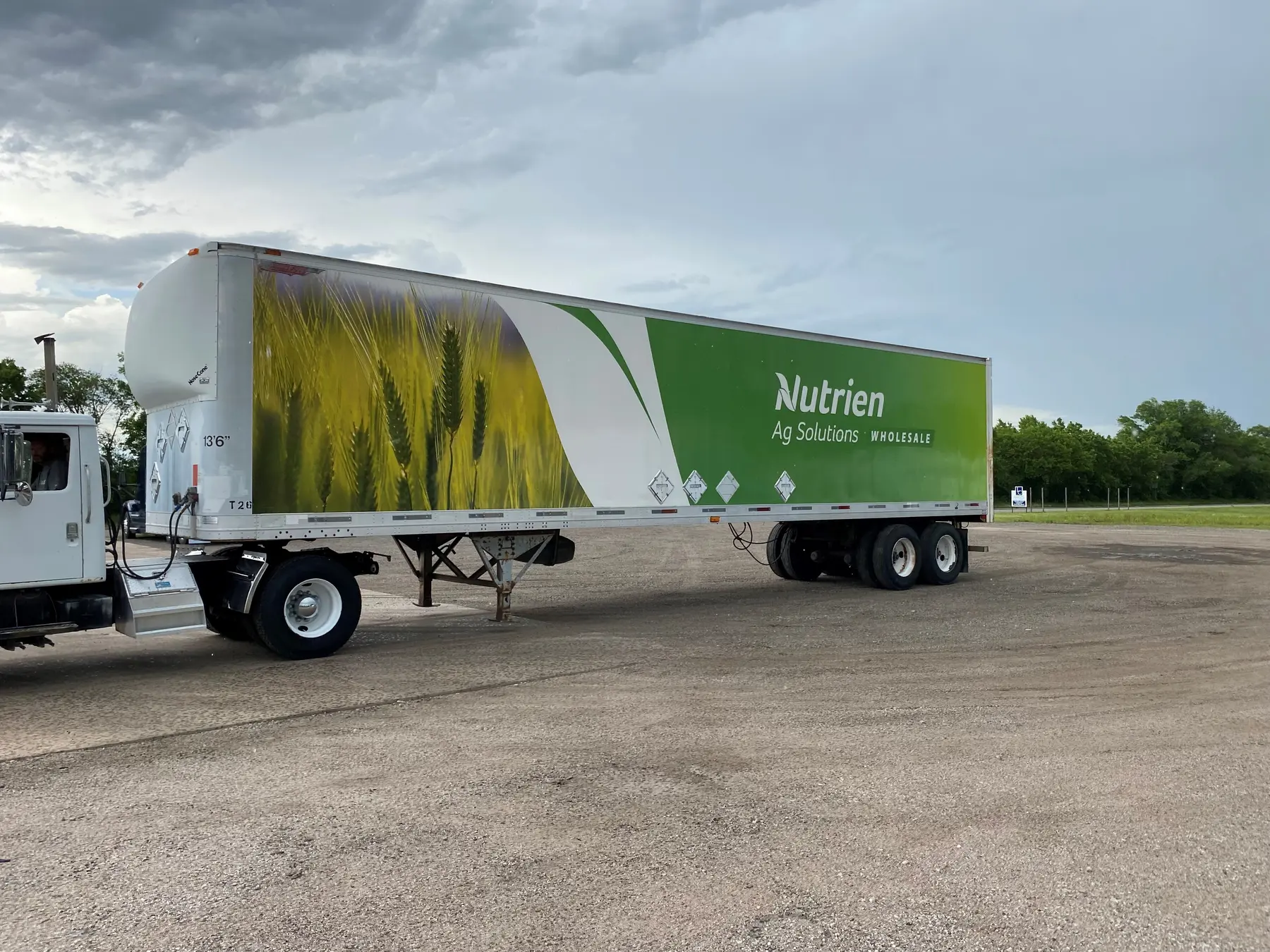
Accurate recommendations start with the actual vehicle, building, surface, quantity and deadline. Use this guide to prepare the right questions, then confirm the final specification for your project.
Wash gently and regularly
Remove road film, insects, bird droppings and fuel residue promptly. Use mild automotive soap, soft tools and clean water. Avoid aggressive chemicals and abrasive brushes.
Use caution with pressure and automatic washes
High pressure aimed at an edge can lift film. Keep distance, reduce pressure and avoid directing the stream into seams. Brush-style automatic washes can be hard on graphics; touchless or careful hand washing is usually gentler.
Inspect damage early
Report lifting edges, impact damage or failed areas before dirt and water travel farther under the film. A small panel repair is often easier to manage when addressed early.
- Park under cover when practical
- Do not pick at edges
- Photograph damage
- Keep the vehicle and unit information with the request
Protect high-exposure areas
Horizontal surfaces, rear panels, lower body areas and panels near exhaust or fuel are exposed to different levels of sun, heat and contamination. Regular inspection helps identify small problems before they affect a larger section.
When a panel is damaged, photograph the entire side and a close view of the affected area. Include the vehicle year, make, model and unit number so the production team can locate the correct files and determine whether a panel repair is practical.
- Remove fuel and chemical residue promptly
- Avoid scraping ice with hard tools
- Keep pressure away from film edges
- Report collision or body-repair work before replacement graphics